A high-quality vehicle turntable is an engineered mechanical asset designed to withstand heavy loads, constant environmental exposure, and years of daily operation. Like any motor-driven equipment—such as garage doors, vehicle lifts, or residential elevators—routine inspection and preventive maintenance are key to ensuring quiet, reliable performance and maximizing component lifespan.
Whether you have recently installed a driveway platform or are managing a commercial showroom display, this maintenance guide highlights essential care routines for your car turntable.
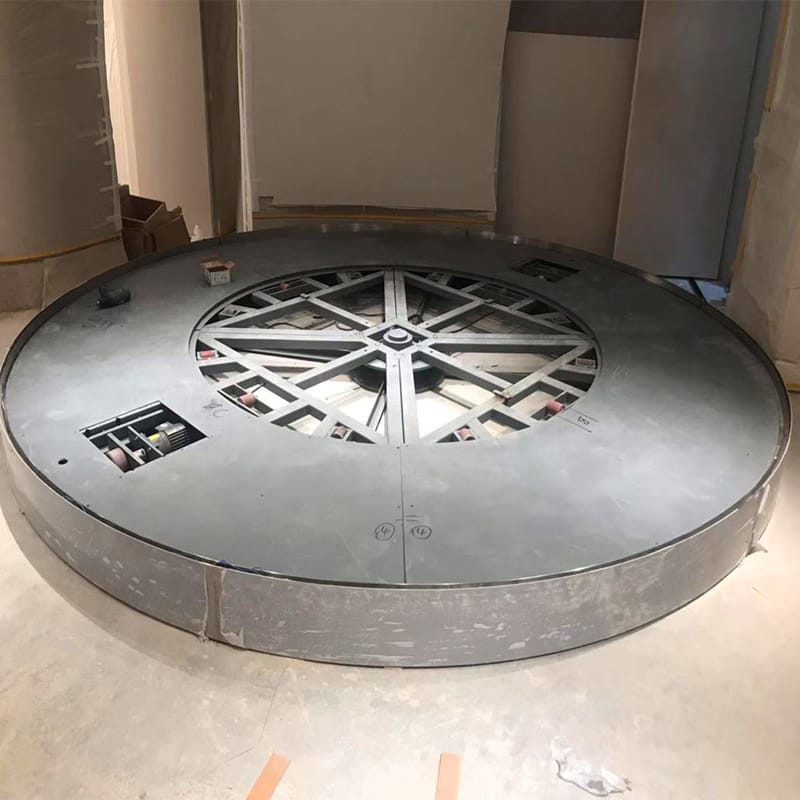
Car Turntable
To keep your rotating platform running seamlessly, follow a structured preventive care routine:
Debris Removal: Clear leaves, gravel, dirt, and road grit from the perimeter clearance gap surrounding the platform ring. Blocked gaps increase motor resistance.
Drainage Clearance: For outdoor recessed models, inspect the pit’s lower drain points. Remove accumulated sediment to ensure rainwater drains freely and prevents motor flooding.
Visual Drive Ring Inspection: Check the drive track area for foreign objects, ice buildup, or oil splatters that could cause wheel slippage.
Lubrication: Apply specialized water-resistant lithium grease to support bearings, central slewing rings, and pin-gear teeth.
Drive System Alignment: Inspect friction drive wheel tension or pin-gear mesh engagement to ensure proper torque transfer without excessive mechanical play.
Electrical & Remote Testing: Check wiring connections, control box relays, limit switches, and wireless remote batteries to ensure crisp responsiveness.
Outdoor driveways face extreme weather variations. Proper seasonal preparation protects electrical and mechanical assemblies:
Winter Operations (Snow & Ice): Clear heavy snow from the platform edge before activation. While heavy-duty gear-driven systems easily handle low temperatures, clearing ice jams prevents unnecessary overload on thermal relays.
Rainy & Monsoon Seasons: Verify that sump pumps (if fitted) are fully functional. Never allow electrical junction boxes or drive motors to submerge in standing water.
Hot Climates (UV Exposure): Inspect rubber perimeter seals and cable insulation yearly for UV cracking or heat degradation.
| Symptom | Probable Cause | Recommended Action |
| Platform rotates slowly or stutters | Debris caught in perimeter gap / Low friction wheel tension | Clear gap debris; adjust drive wheel tensioning bolt |
| Grinding or squeaking sound | Lack of bearing lubrication / Misaligned gear teeth | Apply multi-purpose grease to bearings and inspect gear mesh |
| Remote control unresponsive | Remote battery depleted / Control box receiver issue | Replace remote batteries; check power supply breaker in panel |
| Platform does not turn on | Triggered safety limit switch or thermal overload | Reset main control breaker; check perimeter beam sensors for blockages |
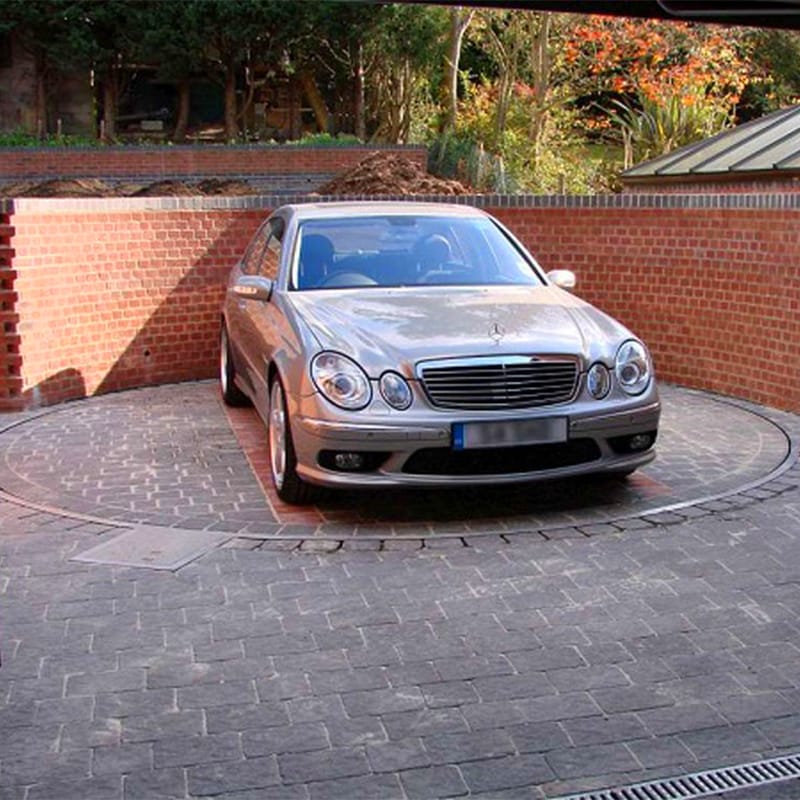
Driveway Turntable
With simple periodic cleaning and annual mechanical servicing, modern rotating platforms will provide decades of trouble-free operation. Choosing equipment built with hot-dip galvanized steel framing and IP-rated weatherproof components from trusted suppliers like Wemet Lift ensures your investment remains smooth, quiet, and fully operational for years to come.
I’m Laura, the author of this article and the CEO & Marketing Director of WEMET. With over 15 years of experience in the intelligent lifting industry, I’m dedicated to helping clients find the right access solutions for their needs. If you have any questions, feel free to contact me at any time.

 AWP
AWP
 Industrial Lift
 Home Elevator
 Intelligent Storage