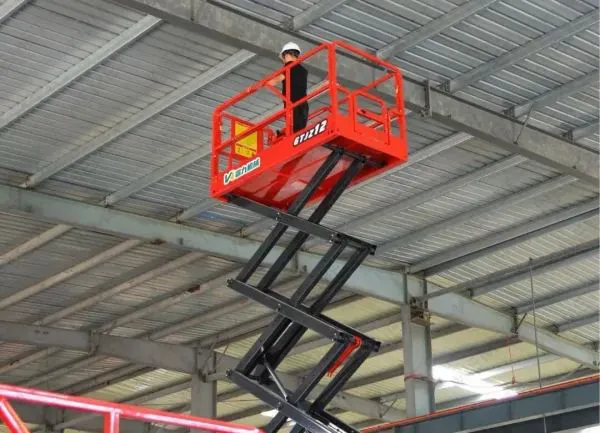
Scissor lifts are indispensable tools for elevated work in construction, warehousing, and facilities maintenance. However, because they elevate workers and materials to significant heights, they also present serious safety hazards if not operated correctly. According to the Occupational Safety and Health Administration (OSHA), dozens of worker fatalities and injuries occur annually due to tip-overs, falls, and crushing hazards related to aerial lifts.
About Us
To protect your workforce and ensure regulatory compliance, this comprehensive guide outlines critical OSHA standards, pre-operation checklists, and best practices for safe scissor lift operation.
Operators and safety supervisors must comply with both OSHA regulations and ANSI (American National Standards Institute) standards.
OSHA 1926.453 & 1910.28: Cover scaffolding and aerial lift safety requirements.
ANSI A92.20: Dictates design, calculation, safety requirements, and test methods for mobile elevating work platforms (MEWPs), including specific mandates for wind rating, load-sensing systems, and tilt sensors.
Never skip the pre-start inspection. A thorough walkaround can prevent mechanical failures at height. Check the following components daily:
Fluid Levels: Hydraulic oil, engine oil, and coolant.
Batteries & Charger: For electric models, check charge levels and terminal corrosion.
Wheels & Tires: Look for cuts, bulges, proper inflation (on pneumatic tires), and secure lug nuts.
Safety Devices: Test emergency lowering controls, tilt alarms, horn, and pothole guards.
Platform & Guardrails: Ensure gates close securely, guardrails are intact, and the platform deck is free of grease, tools, or debris.
Never Overload the Lift: Always check the manufacturer’s rated load capacity. This includes the combined weight of workers, tools, and materials.
Mind the Terrain and Slope: Scissor lifts are designed for firm, level surfaces. Never operate on soft ground, slopes exceeding the manufacturer’s rating, or near drop-offs and holes unless outriggers are properly deployed.
Do Not Move While Elevated: Unless explicitly rated and engineered for driving at full height, lower the platform completely before repositioning the machine.
Watch for Overhead Hazards: Maintain a safe distance from power lines (at least 10 feet for lines under 50kV) and low-hanging structural beams.
Safety is an ongoing commitment, not a one-time checkbox. By enforcing rigorous operator training, daily inspections, and strict adherence to OSHA and ANSI guidelines, your organization can significantly reduce accidents, minimize liability, and foster a culture of safety on every job site.
I’m Laura, the author of this article and the CEO & Marketing Director of WEMET. With over 15 years of experience in the intelligent lifting industry, I’m dedicated to helping clients find the right access solutions for their needs. If you have any questions, feel free to contact me at any time.

 AWP
 Industrial Lift
 Home Elevator
 Intelligent Storage