In heavy industrial environments, hydraulic lift systems are renowned for their strength, dependability, and smooth vertical motion. From factory floor production lines to high-density storage mezzanines, high-capacity lifting machinery powers daily vertical operations.
Understanding the internal mechanics and maintaining a strict preventative maintenance schedule for your ascensore industriale extends component lifespan and prevents costly operational shutdowns.
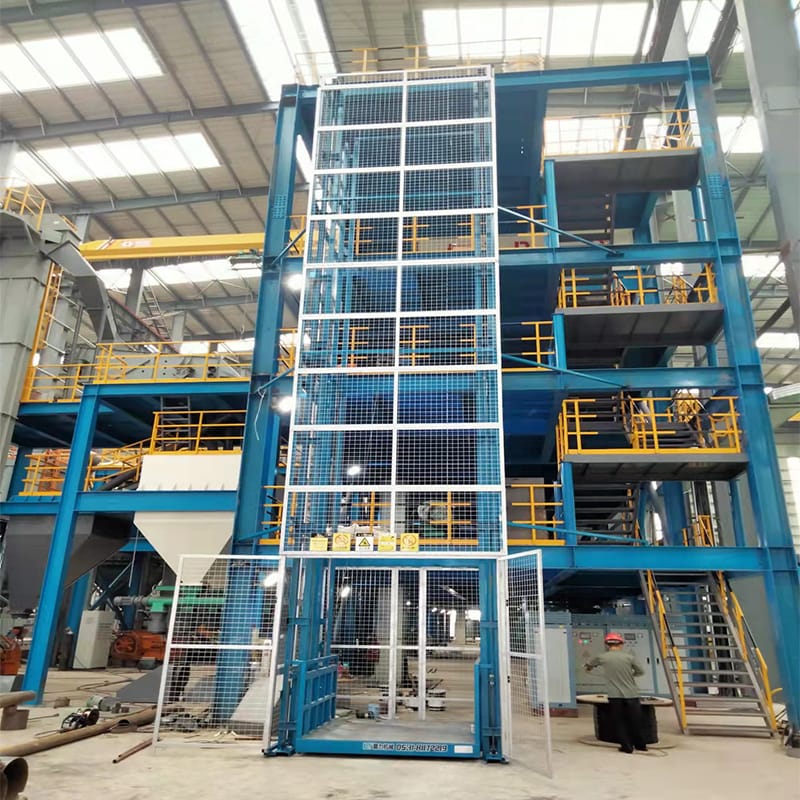
Hydraulic Cylinder & Pump Station: Delivers stable fluid pressure for smooth lifting performance.
Structural Steel Platform: Built to withstand constant dynamic loads and heavy forklift loading.
Guide Rail System: Ensures linear vertical motion without tilting or excessive sway.
Electronic Control System: Enables precise leveling, floor selection, and automated safety stops.
Inspect Hydraulic Lines: Check regularly for fluid leaks, hose wear, or pressure drops.
Lubricate Moving Joints: Keep guide rails, rollers, and pivot points well-lubricated to prevent friction wear.
Test Emergency Controls: Regularly test safety latches, emergency descent valves, and stop buttons.
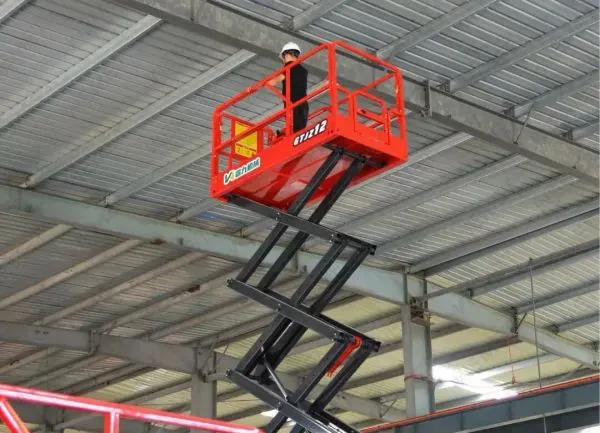
Sono Laura, l'autrice di questo articolo e l'amministratore delegato e direttore marketing di WEMET. Con oltre 15 anni di esperienza nel settore del sollevamento intelligente, mi dedico ad aiutare i clienti a trovare le soluzioni di accesso più adatte alle loro esigenze. Se avete domande, non esitate a contattarmi in qualsiasi momento.
Migliorare l'efficienza dei magazzini: le applicazioni dei montacarichi industriali nella logistica moderna
Norme di sicurezza per gli ascensori industriali: tutela delle attività lavorative e delle merci
Come funzionano i sollevatori industriali idraulici: componenti, sicurezza e consigli per la manutenzione
Guida completa alla scelta del carrello elevatore industriale più adatto al tuo magazzino

 AWP
AWP
 Ascensore industriale
 Ascensore per la casa
 Archiviazione intelligente