In heavy industrial environments, hydraulic lift systems are renowned for their strength, dependability, and smooth vertical motion. From factory floor production lines to high-density storage mezzanines, high-capacity lifting machinery powers daily vertical operations.
Understanding the internal mechanics and maintaining a strict preventative maintenance schedule for your elevador industrial extends component lifespan and prevents costly operational shutdowns.
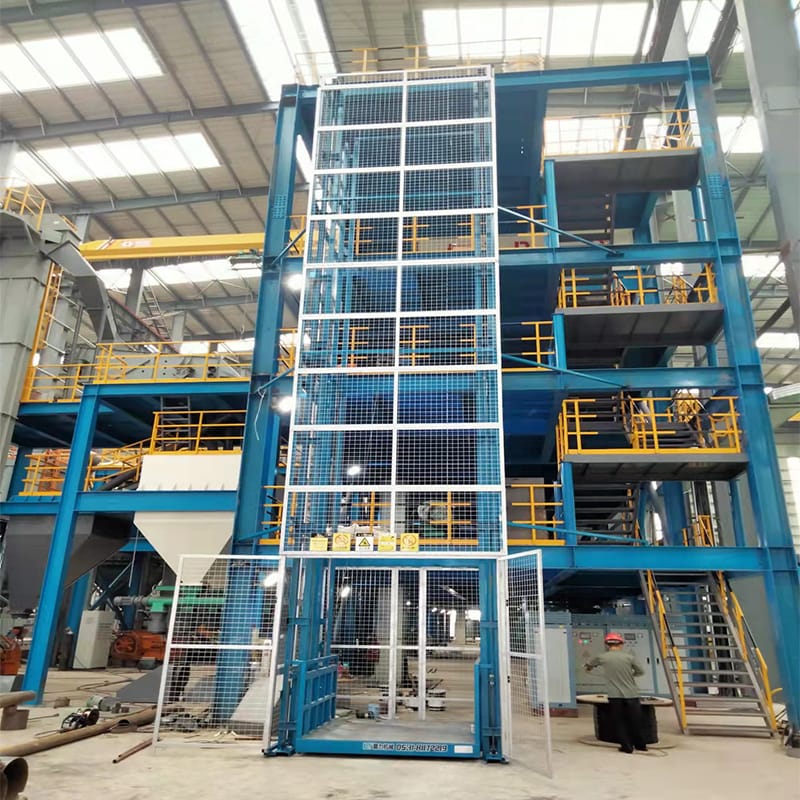
Hydraulic Cylinder & Pump Station: Delivers stable fluid pressure for smooth lifting performance.
Structural Steel Platform: Built to withstand constant dynamic loads and heavy forklift loading.
Guide Rail System: Ensures linear vertical motion without tilting or excessive sway.
Electronic Control System: Enables precise leveling, floor selection, and automated safety stops.
Inspect Hydraulic Lines: Check regularly for fluid leaks, hose wear, or pressure drops.
Lubricate Moving Joints: Keep guide rails, rollers, and pivot points well-lubricated to prevent friction wear.
Test Emergency Controls: Regularly test safety latches, emergency descent valves, and stop buttons.
Eu sou Laura, a autora deste artigo e a CEO e Diretora de Marketing da WEMET. Com mais de 15 anos de experiência no setor de elevação inteligente, eu me dedico a ajudar os clientes a encontrar as soluções de acesso certas para suas necessidades. Se tiver alguma dúvida, sinta-se à vontade para entrar em contato comigo a qualquer momento.
Aumentando a eficiência dos armazéns: aplicações dos elevadores industriais na logística moderna
Normas de segurança para elevadores industriais: proteção das operações no local de trabalho e da carga
Como funcionam os elevadores hidráulicos industriais: componentes, segurança e dicas de manutenção
Guia completo para escolher o elevador industrial certo para o seu armazém

 AWP
AWP
 Elevador industrial
 Elevador residencial
 Armazenamento inteligente