In heavy industrial environments, hydraulic lift systems are renowned for their strength, dependability, and smooth vertical motion. From factory floor production lines to high-density storage mezzanines, high-capacity lifting machinery powers daily vertical operations.
Understanding the internal mechanics and maintaining a strict preventative maintenance schedule for your industrial lift extends component lifespan and prevents costly operational shutdowns.
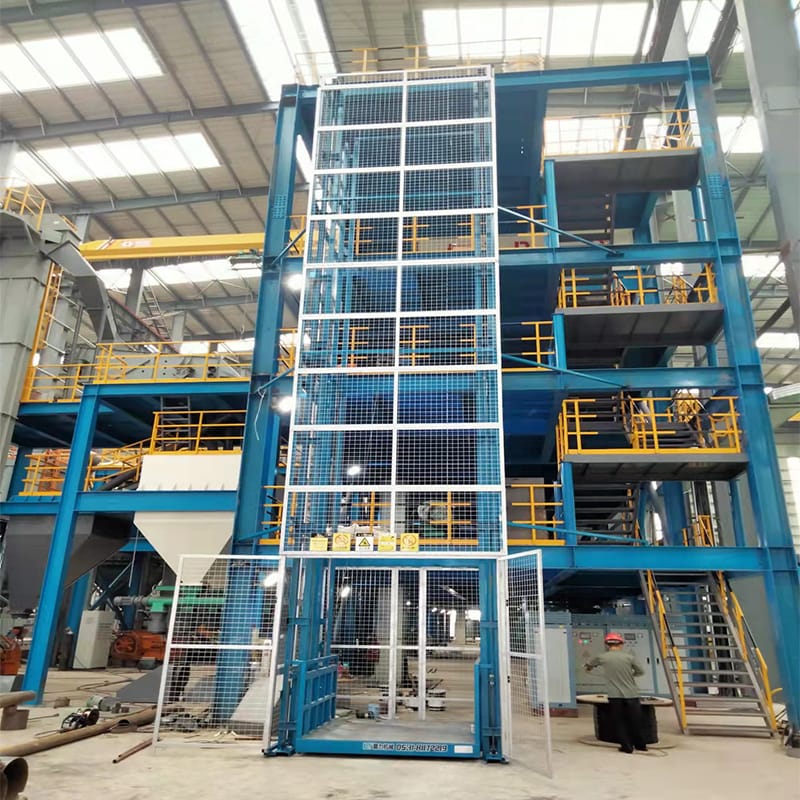
Hydraulic Cylinder & Pump Station: Delivers stable fluid pressure for smooth lifting performance.
Structural Steel Platform: Built to withstand constant dynamic loads and heavy forklift loading.
Guide Rail System: Ensures linear vertical motion without tilting or excessive sway.
Electronic Control System: Enables precise leveling, floor selection, and automated safety stops.
Inspect Hydraulic Lines: Check regularly for fluid leaks, hose wear, or pressure drops.
Lubricate Moving Joints: Keep guide rails, rollers, and pivot points well-lubricated to prevent friction wear.
Test Emergency Controls: Regularly test safety latches, emergency descent valves, and stop buttons.
I’m Laura, the author of this article and the CEO & Marketing Director of WEMET. With over 15 years of experience in the intelligent lifting industry, I’m dedicated to helping clients find the right access solutions for their needs. If you have any questions, feel free to contact me at any time.
Elevating Warehouse Efficiency: Applications of Industrial Lifts in Modern Logistics
Industrial Lift Safety Standards: Protecting Workplace Operations and Cargo
How Hydraulic Industrial Lifts Work: Components, Safety & Maintenance Tips
Ultimate Guide to Choosing the Right Industrial Lift for Your Warehouse

 AWP
AWP
 Industrial Lift
 Home Elevator
 Intelligent Storage