Efficient material handling is the backbone of modern warehousing and manufacturing operations. Whether you are moving heavy machinery, raw materials, or multi-pallet loads across multi-level facilities, selecting the right heavy-duty lift equipment is essential for maintaining productivity and worker safety.
When evaluating your material handling needs, investing in a robust industrial lift allows your business to streamline vertical transport, reduce downtime, and eliminate manual lifting risks.
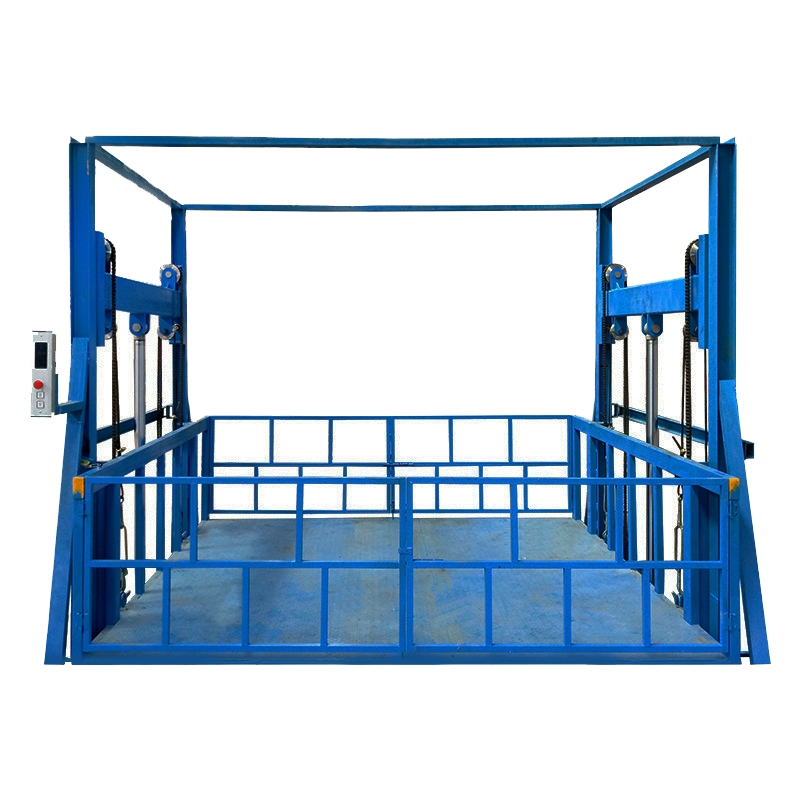
Load Capacity & Platform Size
Ensure the lift can easily handle your heaviest typical loads with a sufficient safety margin.
Lifting Height & Speed
Match the travel height to your structural levels and choose an optimal vertical speed to keep workflow consistent.
Safety Features
Look for anti-drop mechanisms, emergency stop systems, overload sensors, and interlocking safety gates.
Customization Options
Many industrial applications require custom platform sizes, enclosure designs, or specialized hydraulic system power units.
By integrating a tailored vertical cargo elevator into your logistics workflow, you improve operational throughput while maintaining strict compliance with occupational safety standards.
I’m Laura, the author of this article and the CEO & Marketing Director of WEMET. With over 15 years of experience in the intelligent lifting industry, I’m dedicated to helping clients find the right access solutions for their needs. If you have any questions, feel free to contact me at any time.
Elevating Warehouse Efficiency: Applications of Industrial Lifts in Modern Logistics
Industrial Lift Safety Standards: Protecting Workplace Operations and Cargo
How Hydraulic Industrial Lifts Work: Components, Safety & Maintenance Tips
Ultimate Guide to Choosing the Right Industrial Lift for Your Warehouse

 AWP
AWP
 Industrial Lift
 Home Elevator
 Intelligent Storage