As mobility becomes more challenging with age or physical conditions, stairs present one of the most common safety hazards at home. A stairlift is an efficient, non-invasive home modification that allows individuals to maintain independence without major renovations. However, choosing the right model requires a clear understanding of stair structures and personal needs. This guide breaks down the essential factors to evaluate before purchasing.
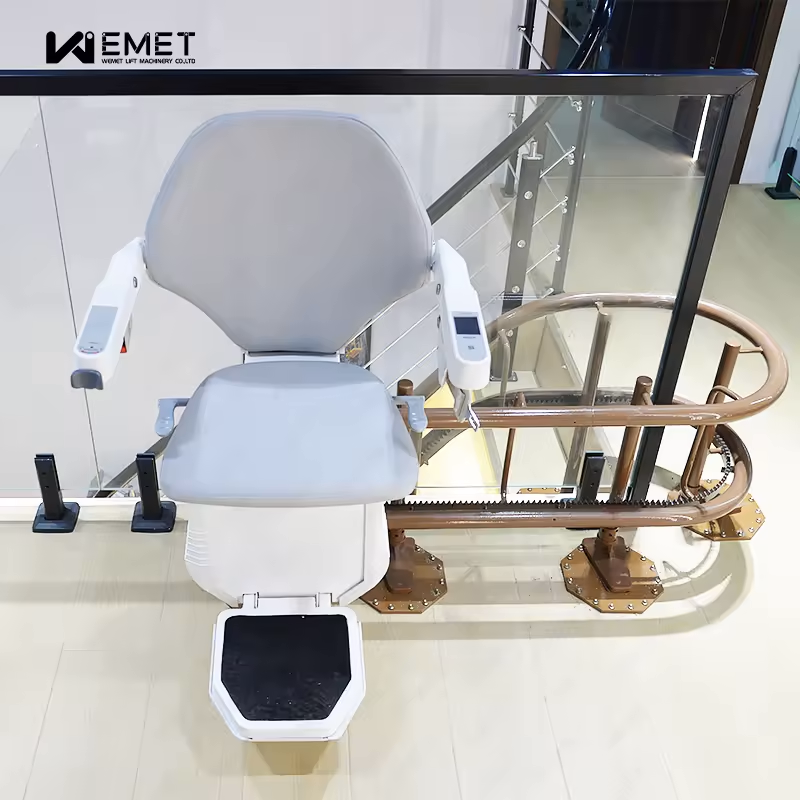
Stairlifts are categorized primarily by the structure of the staircase they serve:
Straight Stairlifts: Designed for standard staircases without turns, landings, or curves. They use standardized, factory-built tracks that can be cut to length on site, making them the most quick-to-install and cost-effective option.
Curved Stairlifts: Engineered for L-shaped, U-shaped, or spiral staircases. The rails are custom-manufactured using precise 3D photo mapping to follow the exact contours of your stairs and landings.
Outdoor Stairlifts: Built specifically for exterior steps, patio access, or sloped entryways. They feature weather-resistant components (IPX rated), UV-protected vinyl seats, and protective weather covers.
When selecting a stairlift, focus on features that enhance daily usability and safety:
Swivel Seat Mechanism: At the top landing, the seat rotates (manually or automatically) toward the platform. This allows the user to step off onto solid ground safely, facing away from the stairs.
Obstruction Sensors: Sensitive contact pads on the footrest and motor base automatically stop the lift if they encounter objects, pets, or debris on the steps.
Folding Design: When not in use, the seat, armrests, and footrest fold up flat against the wall, leaving the staircase open for other family members.
DC Battery Drive with Continuous Charging: Quality stairlifts operate on rechargeable batteries rather than direct A/C power. This guarantees that during a power outage, the lift remains operational for multiple trips.
Assess Physical Capabilities: Ensure the user can sit upright and operate the controls. For individuals with limited knee flexion, a “perch” or standing seat configuration may be preferable.
Measure Staircase Clearance: Standard stairlifts require a minimum staircase width of 30 inches (76 cm) to ensure comfortable legroom and clear passage.
Check Certifications and Warranties: Verify that the equipment meets international standards (such as ASME A18.1 in North America or CE mark in Europe) and check the warranty coverage on the drivetrain and motor.
I’m Laura, the author of this article and the CEO & Marketing Director of WEMET. With over 15 years of experience in the intelligent lifting industry, I’m dedicated to helping clients find the right access solutions for their needs. If you have any questions, feel free to contact me at any time.

 AWP
 Industrial Lift
 Home Elevator
 Intelligent Storage