Stairs slow daily life, drain energy, and raise fall risk. When mobility changes—or when space and time matter—a better vertical access plan becomes urgent. We help you move floor to floor without stress.
A residential elevator (also called a home elevator) is a compact lift that carries people, pets, and items between levels inside an in-home space, offering a convenient way to navigate between two floor levels of your home with comfort and safety.

We are WEMET Lift Machinery Co., Ltd.—a leading intelligent lifting equipment manufacturer since 2014, integrating R&D, design, manufacturing, sales, and service. Our registered brands—WEMET®, 力千钧®, Parli—operate in 95+ countries with 9,000+ units delivered. We design Aerial Work Platforms (AWP), Industrial Lifting Solutions, Hydraulic and Traction Home Lifts, and Intelligent Storage Systems that meet CE/ISO and global safety standards. From construction contractors and logistics hubs to residential elevator dealers and OEM lift brands, we deliver one-stop vertical access solutions, backed by full-cycle support and fast spare parts.
A home elevator is an in-home vertical transport solution that moves you, family members, and belongings floor to floor. Unlike a chair-type stairlift, a home lift includes an elevator car that you stand in or enter with a walker or small cart. A residential elevator improves daily comfort and gives safe access across the floor levels of your home.
Compared with traditional elevators in commercial buildings, traditional home units have a compact footprint and lower site impact. Residential elevators are designed to blend with interiors and use efficient drives. They often adapt to anywhere in the home with the right engineering, and they provide a convenient way to move groceries, laundry, and luggage—making your life easier while protecting joints and balance.
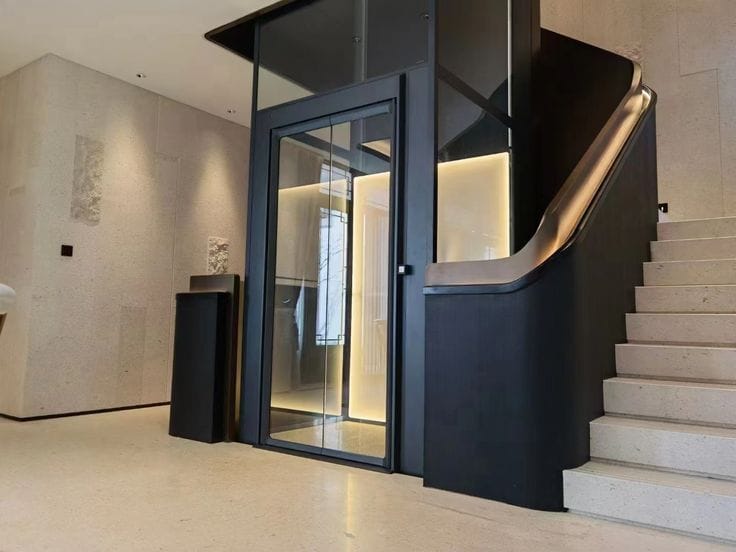
“Home elevators make daily life smoother. ELEVATORS AND LIFTS are one of the simplest ways to protect independence and keep the home you love.”
Home elevator models vary by drive and layout. in new construction or an existing home with careful planning. Some models use a small machine room, while others are shaft-less elevator designs (often called through-the-floor), which minimize build work.
Yes. You can find affordable home elevators and affordable alternative to a stair solution that fit tight layouts. Many elevators are made for limited space and use modular structures for faster fit-out and lower disruption. A small footprint home elevator can work anywhere in the home with smart planning.

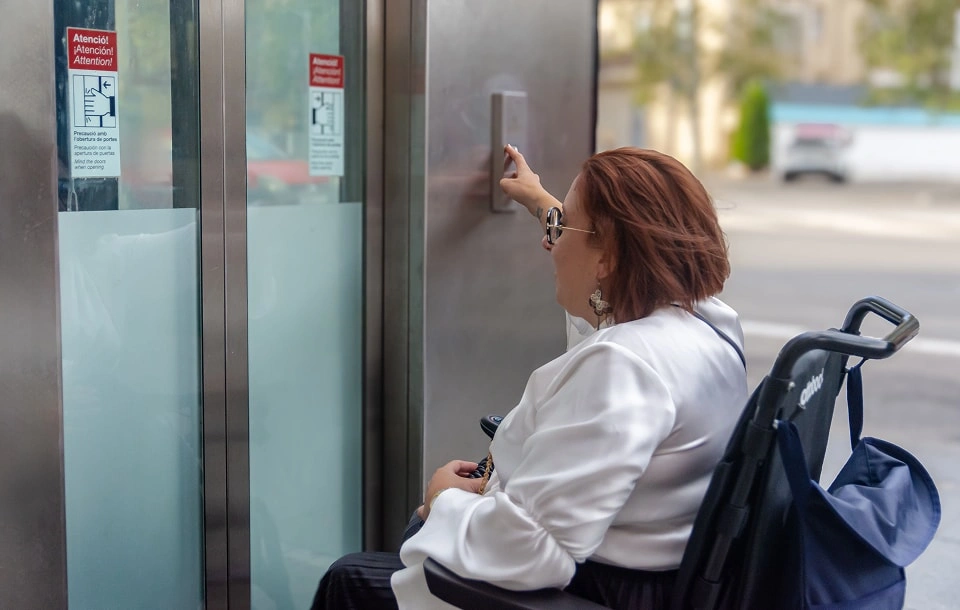
Modern home elevator models include multiple safety features: door interlocks, emergency lowering, battery backup, and overspeed protections. Elevators prioritize safety so the elevator is also dependable in day-to-day use. Confirm weight capacity based on rider needs and whether you plan to accommodate a wheelchair.
Are home elevators safe for daily use?
Yes. Residential elevators are designed with interlocks, backups, and careful controls so the home elevator is safe day to day. Follow maintenance schedules to extend the life of your elevator.
Can I fit a lift in a small home?
Yes. Many home elevator lines have a compact footprint. Some are shaft-less elevator styles that work even in tight corridors. A design review will confirm clearances and landings.
What’s the difference between a Stiltz and a traditional unit?
A Stiltz home elevator often uses a self-supporting frame and through-the-floor approach, which may speed retrofit work compared to traditional elevators that require a full shaft.
How much power do I need?
Verify your model’s spec. Some call for standard dedicated 220 volt 15 circuits such as a dedicated 220 volt 15 amp or 220 volt 15 amp wall feed, depending on motor and controller.
Is a platform lift an alternative to a stair lift?
Yes. A platform lift is an affordable alternative to a stair solution when you must move a person and items together. A stairlift moves only a seated rider.
Which home elevator models accommodate a wheelchair?
Look for larger home elevator models like stiltz trio or trio alta home elevator. Ask your home elevator company to confirm weight capacity and interior turning space to accommodate a wheelchair.
I’m Laura, the author of this article and the CEO & Marketing Director of WEMET. With over 15 years of experience in the intelligent lifting industry, I’m dedicated to helping clients find the right access solutions for their needs. If you have any questions, feel free to contact me at any time.

 AWP
AWP
 Industrial Lift
 Home Elevator
 Intelligent Storage