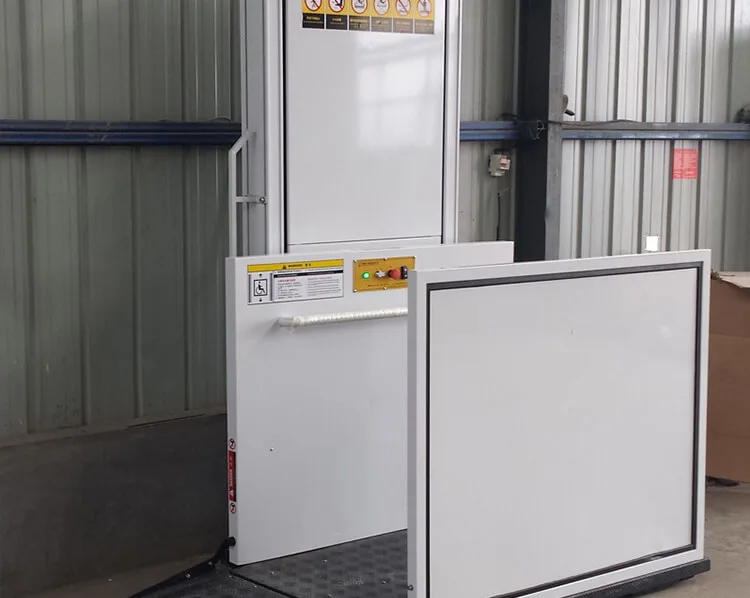
A wheelchair elevator, also known as a residential vertical platform lift (VPL), solves these problems by using a powered platform to move a wheelchair, scooter, or walker between levels. It enhances mobility, restores independence, and provides a safe, convenient alternative to stairs.
Since 2014, WEMET has been a trusted manufacturer of intelligent lifting equipment. We design and build:
Residential Platform Lifts
Hydraulic & Traction Home Elevators
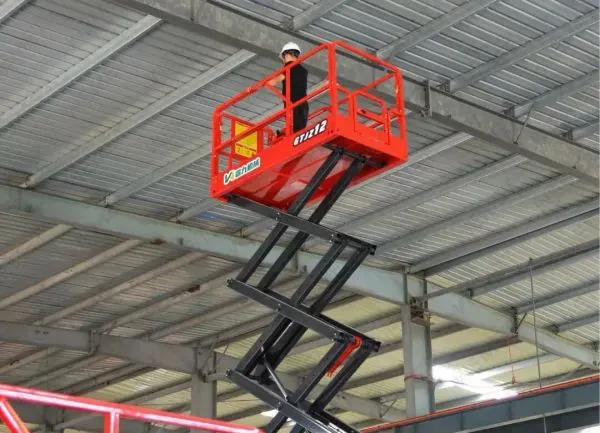
Aerial Work Platforms (AWP)
Industrial Lifting Solutions
Smart Storage Systems
Our brands—WEMET®, 力千钧®, and Parli—are used in more than 95 countries, with over 9,000 units delivered globally. We hold CE, ISO, and international safety certifications and provide complete project support, spare parts, and responsive after-sales service.
We partner with home elevator dealers, construction contractors, industrial manufacturers, commercial developers, OEM lift brands, and access equipment distributors to move people and goods safely, smoothly, and efficiently.
A wheelchair elevator is a vertical platform lift designed to move a wheelchair user straight up between floors. Unlike a stair lift—which uses a seat that rides along the stair rail—a VPL is a full-size lifting platform.
Roll onto the platform
Close the gate
Press the button
Ride smoothly to the next level
No transfers, no discomfort, and no need to leave the wheelchair or scooter.
Carries a wheelchair, scooter, walker, or caregiver
Requires no seat transfer, reducing fall risk
Suitable for indoor and outdoor use
Uses vertical travel, requiring much less space than a ramp
Common installation areas include porches, decks, garages, and small interior spaces between floors.

Vertical Barrier Free Lift Platform
Manual wheelchairs, powered wheelchairs, scooters, and walkers all fit comfortably.
Users stay in their own wheelchair—safer and more independent.
A ramp with a 1:12 slope takes enormous space; a VPL uses only vertical travel.
Weather-resistant finishes and enclosures make VPLs suitable for year-round use.
Many models assemble quickly with modular sections.
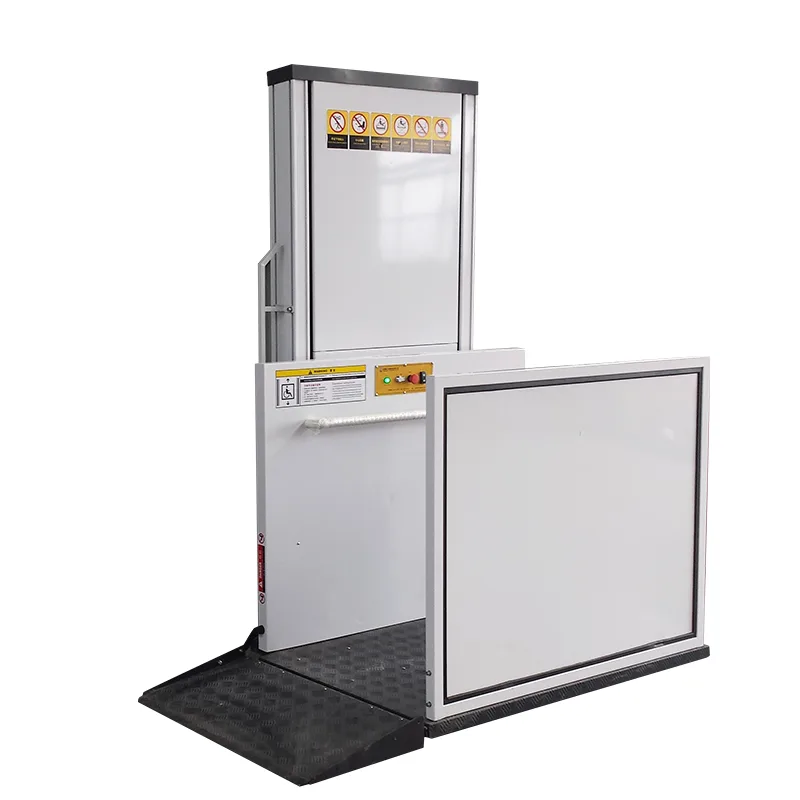
Vertical Barrier Free Lift Platform
A platform lift is ideal when:
You need to transport a wheelchair or scooter without transferring
The rise is 24–72 inches (porch, deck, split level, basement entry)
Space is tight and a ramp would dominate the yard
You need reliable access in outdoor environments
You want a cost-effective alternative to a full home elevator
The rider can safely transfer to a seat
No need to carry a wheelchair between floors
Budget or structural limits make a platform lift impractical
Most residential VPL installations take 1–2 days once site preparation is done.
A level concrete pad or stable indoor floor
Weather-resistant or indoor configurations as required
A dedicated electrical outlet (per the model’s manual)
Clear entry/exit pathways
Site measurement (rise, footprint, platform size)
Prepare pad and drainage
Deliver, assemble, wire, and test
User training and handover
Annual inspections keep gates, locks, and drive systems in spec
Routine cleaning protects the platform, especially outdoors
Not every home needs a permanent VPL.
Temporary access at events
Rehabilitation centers
Rental applications
Commercial booths and exhibitions
Pros: mobile, quick setup, minimal footprint
Cons: shorter travel height, fewer customization options
Modern platform lifts include multiple safety systems:
Gate and platform interlocks
Emergency stop buttons
Non-slip platform surface
Under-platform safety sensors
Weather-resistant packages for outdoor models
Audible and visual alarms
Lock the wheelchair brakes before lifting
Keep the platform clear of objects
Teach all family members how to operate it
Schedule yearly maintenance for long-term reliability
Most models support 750 lbs (340 kg). Heavy-duty options are available.
Yes. Many models offer full outdoor or enclosed packages designed for all climates.
Usually not. A pad and power source are the main requirements for most units.
Typically yes. VPLs are more economical and require less space and construction.
Yes. Most platforms can accommodate scooters—confirm the platform size with your dealer.
Many models do. Always check voltage and amperage in the technical manual.
If you want, I can also create:
✅ A shorter marketing landing page version
✅ A version optimized for Google SEO (with keywords like “wheelchair lift for home,” “residential platform lift,” “VPL,” etc.)
✅ A version customizing GH-X, GH-CO, and your WEMET branding
✅ A version for brochures, catalogs, or Google Ads content
Tell me your preferred style, and I’ll prepare it.
I’m Laura, the author of this article and the CEO & Marketing Director of WEMET. With over 15 years of experience in the intelligent lifting industry, I’m dedicated to helping clients find the right access solutions for their needs. If you have any questions, feel free to contact me at any time.

 AWP
AWP
 Industrial Lift
 Home Elevator
 Intelligent Storage