Jobs at height slow teams down and raise risk. Missed deadlines. Near misses. Budget creep. A modern aerial work platform turns unsafe ladders into a safe, fast working platform—so crews finish on time, without the fear.
An aerial work platform (AWP)—also called a working platform, aerial lift, or MEWP—is a powered machine that lifts workers, tools, and materials to elevated areas. Common types include scissor lift, boom lift (articulated and telescopic boom lift), vertical lifts, and atrium lift. The right choice depends on height, outreach, surface, and job tasks.
Who we are
I’m writing from WEMET Lift Machinery Co., Ltd. (est. 2014). We design and build intelligent lifting solutions—Aerial Work Platforms, Industrial Lifting, Home Lifts, and Intelligent Storage Systems—meeting CE/ISO and international safety standards. Our brands—WEMET®, 力千钧®, Parli—serve 95+ countries with 9,000+ units delivered. We help construction, warehouses, and facility teams deploy the right working platform for safer elevated work every day.
An aerial work platform (sometimes “aerial platform”) is a mechanical device built to raise people to a safe work area. Platforms are designed with rails, controls, and interlocks so an operator can move up, down, and position precisely. Many work platforms also include data tags for maintenance and daily checks.

In the awp industry, you’ll also see the term mobile elevated work platform (MEWP). MEWPs (mewps) are designed for temporary access—think construction work, fit-out, cleaning, industrial maintenance, or signage. Power systems may be hydraulic or electric. Electric drive systems propel the machine quietly indoors. On booms, sections telescope to reach. On scissor units, the cross members lift in an upward motion.
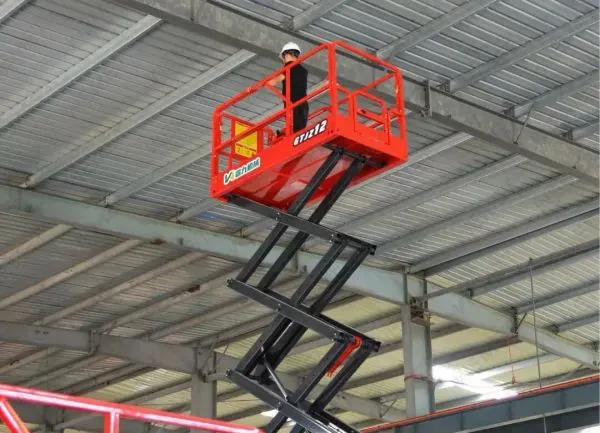
When you pick a type of aerial machine, start with tasks and space. A scissor lift goes straight up for fast, stable access. It’s ideal for construction finishing, MEP trades, and ceiling work where you don’t need outreach. A boom lift reaches over and around obstacles. Use it for façade work or pipe runs you can’t get under.
Common types of AWPs you’ll meet at the worksite (awps):
Tip: Match the type of lift to the task and surface. Scissors excel indoors. Booms solve reach. Rough terrain models handle gravel and mud.
Telescopic booms extend in a straight line. They shine on long reaches—bridges, stadiums, tanks—where you need height and horizontal distance. A telescopic boom lift has fewer joints, simpler geometry, and predictable outreach charts.
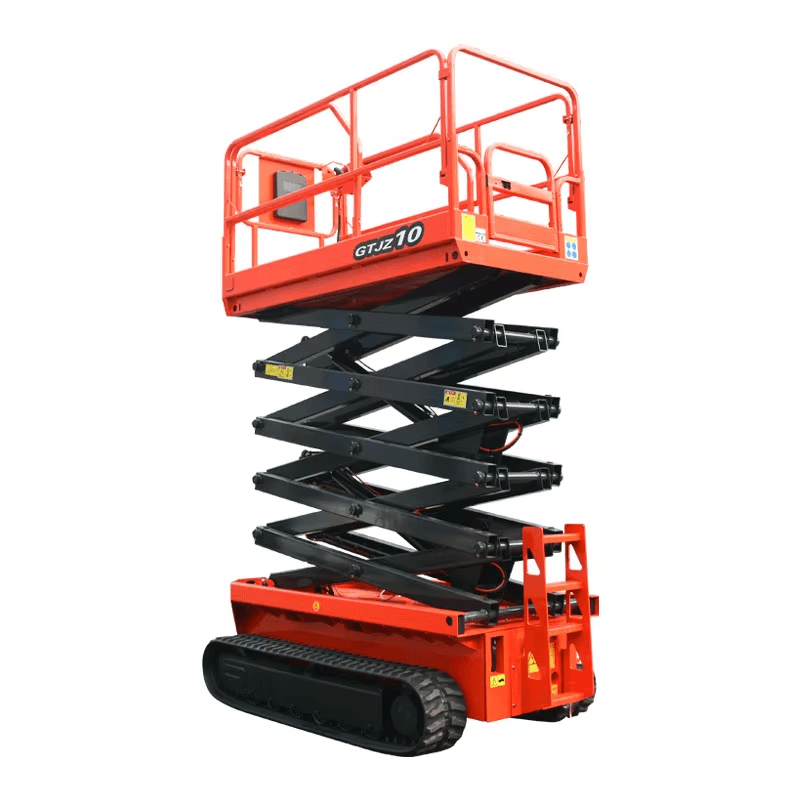
Articulate (often called articulated lift or knuckle) booms use hinged sections to bend around signs, ducting, trees, or parapets. They’re nimble in tight alleys and complex façades. Many crews keep both: telescopic for reach; articulated for agility. Major brands—Genie, JLG, Skyjack—offer both formats and power options.
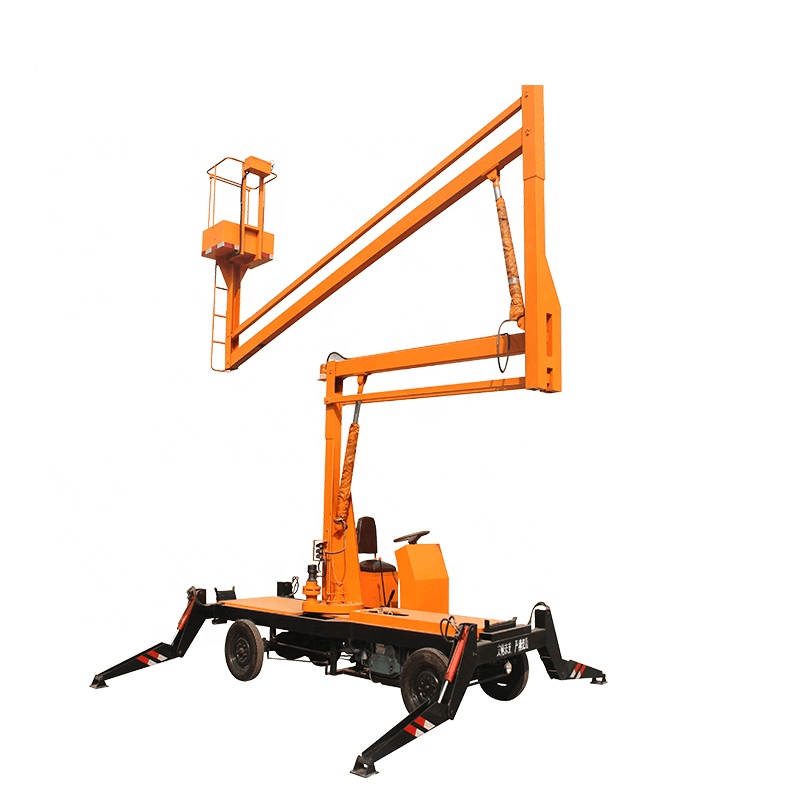
For warehouse applications, the electric scissor family is quiet, clean, and efficient. Compact smaller lifts fit narrow aisles and mezzanines. Many units are designed for temporary tasks like inventory, lights, and racking. Lithium or high-capacity batteries extend runtime across shifts.
Platforms are designed to carry people plus tools to a limited capacity. Respect the decal. Check the deck extension and gates. Indoors, tight turning and non-marking tires keep floors clean. See our internal guide to models and specs:
Electric Scissor Lift Specs and Sizing » Electric Scissor Lift Specs
An AWP is not a crane. It’s a working platform. Use rated racks, keep loads low, and never exceed capacity. Hand off heavy items with telescopic handlers or ground crews. When material handling on deck, tie tools, keep the floor clear, and avoid pinch points when rails articulate or sections move.
Work platforms also require smooth driving. No sudden stops with tall loads. If wind rises, lower the boom. Follow the placards—platforms are designed and tested to those limits only.
What is the difference between a boom lift and a scissor lift?
A scissor lift goes straight up with a large deck; a boom lift reaches over obstacles. Use scissor for ceilings and racks; use boom for façades, signage, and areas you can’t drive under.
Are aerial lifts safe for new crews?
Yes—with training and supervision. Follow manuals and site rules. OSHA requires instruction, and ANSI lays out roles and checks. Keep within load limits, wear PPE, and respect wind ratings.
Can I use a bucket truck instead of a MEWP?
A bucket truck suits road-side utility and lights. On sites with uneven ground or where you need precise indoor work, a working platform (MEWP) is usually better.
What size electric scissor should I choose for my warehouse?
Match the aisle and rack height. Many electric scissor lift models fit standard aisles and doorways. Check platform height, charge time, and turning radius.
Do I always need outriggers?
Not on most scissors. Booms and atrium lift models may need them. If specified, use pads and level indicators. Never lift without stable footing.
How do I get certified to operate?
Take a training program that includes practical tests. Keep your lift certification card updated. Many dealers and manufacturers offer blended learning.
I’m Laura, the author of this article and the CEO & Marketing Director of WEMET. With over 15 years of experience in the intelligent lifting industry, I’m dedicated to helping clients find the right access solutions for their needs. If you have any questions, feel free to contact me at any time.

 AWP
AWP
 Industrial Lift
 Home Elevator
 Intelligent Storage