These challenges often grow quietly until daily movement becomes a burden. The right home elevator solves this problem by restoring comfort, safety, and independence—without forcing you to leave the home you love.
A home elevator (also called a residential elevator or home lift) is a compact vertical lift designed for private houses. It improves mobility, supports aging in place, increases property value, and makes multi-level living easier and safer for everyone.

A home elevator and a residential elevator are often used interchangeably. In practice, both describe elevator lifts designed specifically for home use, not large commercial elevators found in offices or malls.
A residential elevator usually features:
1.Smaller elevator dimensions
2.Lower speed and load compared to commercial systems
3.Flexible elevator installation options
4.Quiet operation suitable for a personal home
At Wemet Lift Machinery Co., Ltd., we design a full range of residential elevators tailored for villas, duplexes, and multi-story houses—combining industrial safety standards with residential comfort.
One of the biggest reasons homeowners add a home elevator is mobility. As families grow and age, stairs become a real obstacle.
A well-designed home lift:
Makes every level of your home accessible
Supports seniors and users with limited mobility
Works as an alternative to a stair lift
Allows wheelchair users with a wheelchair lift or platform lift
Unlike temporary solutions, elevators provide a permanent and dignified way to move throughout your home. Many of our overseas clients—residential developers and accessibility project suppliers—see home elevators as a long-term investment rather than a luxury.
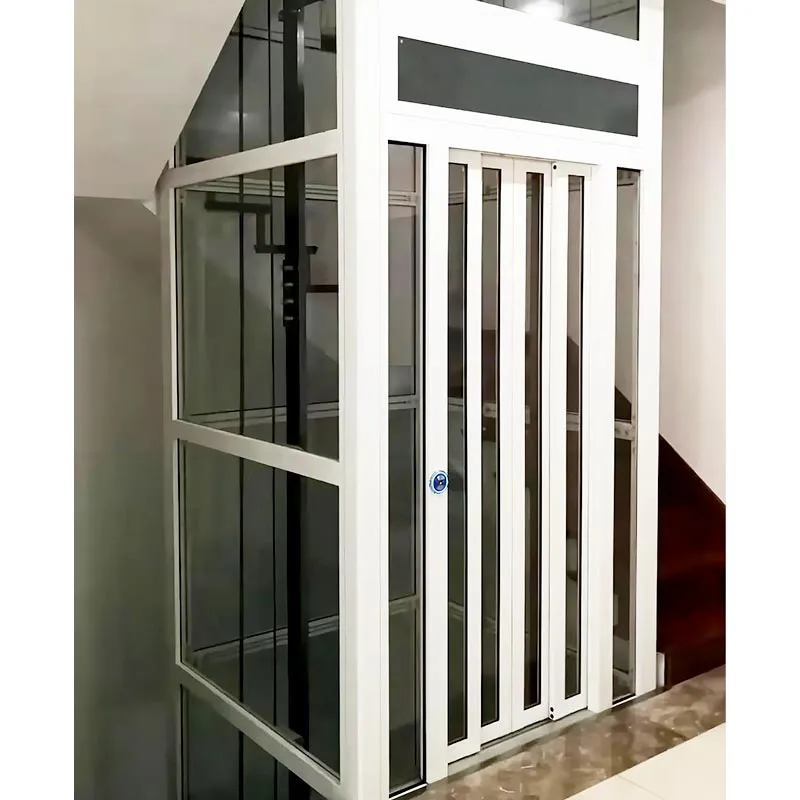
Modern home elevators and residential elevators come in many configurations. Choosing the right type of elevator depends on space, budget, and usage needs.
Common options include:
1.Hydraulic elevators
2.Pneumatic elevator (air-driven)
3.Vacuum elevator
4.Shaftless elevator
5.Glass elevator
6.Platform lift systems
Each elevator system has its strengths. The best solution is always the one that fits your lifestyle and your home’s structure.
Hydraulic home elevators use fluid pressure to move the elevator car smoothly. They are reliable, quiet, and widely used in traditional home elevator designs.
Best for:
1.Two-story home
2.Traditional home layouts
3.Higher load requirements
Vacuum Elevator
A vacuum elevator (also known as a pneumatic elevator) uses air pressure instead of cables. It’s compact and visually striking.
Best for:
Shaftless Elevator
A shaftless elevator does not require a full elevator shaft, making it ideal for an existing home or retrofit projects.
Best for:
At Wemet, we engineer elevators that can adapt to virtually any home, including many existing home plans.

Home elevator installation is more straightforward than most people think—especially with modern modular systems.
Typical steps include:
1.Home assessment and design
2.Selecting the right home elevator models
3.Preparing the structure (if needed)
4.Installation of an elevator system
5.Safety testing and handover
With proper planning, installing a home elevator can be completed efficiently and safely. In many cases, elevators can be installed with minimal disruption to daily life.
Many homeowners believe elevators are only for new buildings. In reality, home elevators can be installed in most existing homes.
Popular retrofit options:
1.Shaftless home elevators
2.Through-the-floor elevators (which have a compact elevator design)
3.Small hydraulic or platform systems
These solutions allow homeowners to add an elevator without major reconstruction—making it easier to stay in the home long-term.
Modern residential elevators are available with advanced safety features:
1.Emergency lowering
2.Door interlocks
3.Overload protection
4.Backup power options
Design options range from minimalist cabins to luxury home elevators with glass panels and custom finishes. Beyond comfort, a home elevator adds measurable value of your home—a key reason developers increasingly include them in premium housing projects.

Selecting the right home elevator company matters as much as choosing the elevator itself.
Look for:
1.Proven manufacturing experience
2.International certifications
3.Custom design capability
4.Long-term service support
As a high-tech manufacturer based in China, Wemet Lift Machinery Co., Ltd. combines industrial-grade engineering with residential design. We work closely with overseas B2B partners to deliver safe, certified, and customizable elevators for home use.
Are home elevators safe for seniors?
Yes. Home elevators must meet strict safety standards and are ideal for seniors who want to maintain independence.
Can a home elevator be installed in an existing house?
Absolutely. Elevators to many existing home types are possible, especially with shaftless or compact systems.
Is a home elevator better than a wheelchair lift?
For multi-floor access and daily use, a home elevator is often more versatile than a standalone wheelchair lift.
How long does installation take?
The installation of an elevator typically ranges from a few days to a few weeks, depending on complexity.
Do home elevators increase property value?
Yes. A well-designed residential elevator adds both functional and market value.
If you’re exploring elevator for your home solutions or evaluating home elevators offers, working with an experienced manufacturer ensures safety, flexibility, and peace of mind.Contact Wemet Lift Machinery Co., Ltd. to explore customized home elevator solutions designed for the way you live—today and in the future.
I’m Laura, the author of this article and the CEO & Marketing Director of WEMET. With over 15 years of experience in the intelligent lifting industry, I’m dedicated to helping clients find the right access solutions for their needs. If you have any questions, feel free to contact me at any time.

 AWP
AWP
 Industrial Lift
 Home Elevator
 Intelligent Storage