Problem: Moving heavy goods between floors slows operations, increases manual handling risks, and raises costs.
Agitate: In warehouses and factories, inefficient lifting leads to damaged goods, worker injuries, and lost productivity.
Solution: A well-designed industrial lift—such as a goods lift or mezzanine goods lift—creates a safe, reliable, and cost-effective vertical flow for modern industrial environments.
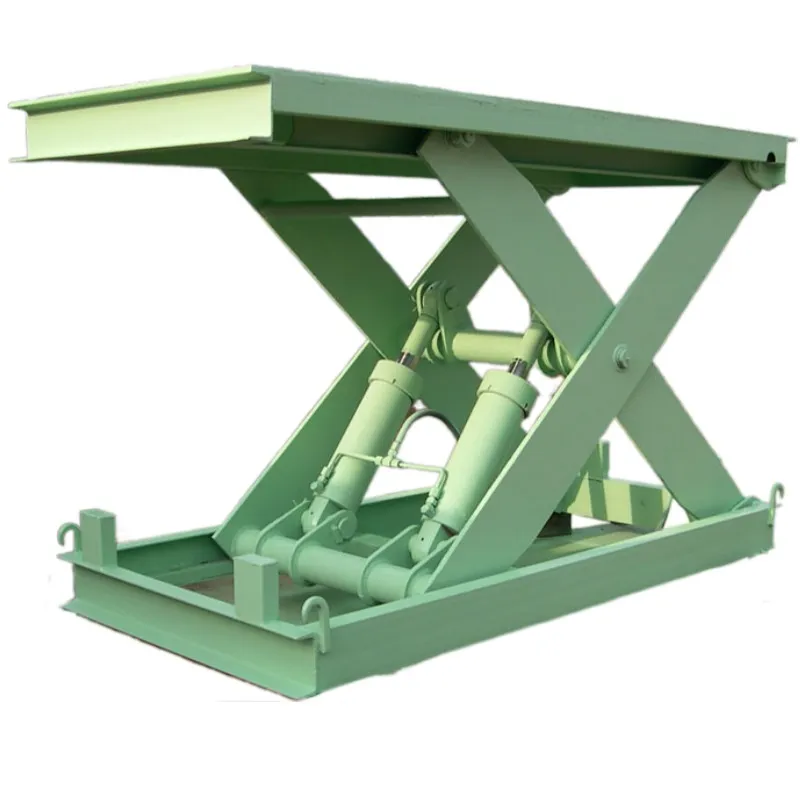
An industrial lift (including goods lifts, cargo lifts, and mezzanine lifts) is vertical lifting equipment designed to transport goods, pallets, and heavy loads safely between floor levels. The right solution depends on load capacities, platform size, site layout, and compliance needs—making bespoke design essential.

A goods lift is a type of vertical lifting equipment designed to transport goods—not people—between floor levels. Unlike passenger systems, goods lifts are engineered for movement of goods, durability, and repeat lifting operations in warehouse environments.
Typical features include a robust platform for goods and pallets, clear load capacities, and controls optimized for handling of goods safely and efficiently. In many industrial and commercial sites, a goods lift replaces manual handling, reducing strain and improving throughput.
Choosing between a platform lift and a service lift depends on how you move goods.
1.Platform lift: Ideal for bulky items and pallet loads; flexible platform size options support heavy goods.
2.Service lift: Compact, enclosed, and efficient for boxed items, tools, or trolley loads.
Both are cost-effective when selected correctly. A service lift often suits back-of-house logistics, while platform lifts excel in open warehouse environments.
When operations involve heavy loads or heavy-duty goods, lifts must be engineered accordingly. A heavy-duty goods lift features strengthened frames, high-capacity drive systems, and industrial controls.
These lifts support transportation of heavy loads in warehouses and factories, reduce downtime, and minimize manual handling risks. Selecting appropriate load capacities ensures reliable performance across shifts.
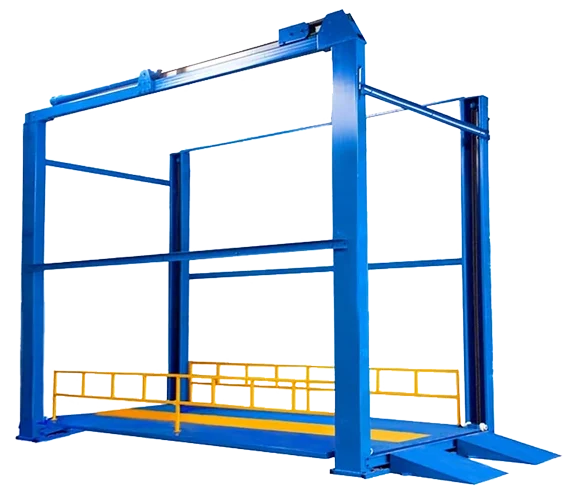
A mezzanine goods lift is purpose-built to connect ground floors with mezzanine levels. The lift is designed to fit tight footprints and align with racking or conveyor flows.
Benefits include:
1.Efficient goods transport between mezzanine levels
2.Safer workflows within the workplace
3.Bespoke designs tailored to site constraints
Because mezzanine goods lift solutions are often manufactured to order, they integrate seamlessly into existing layouts.
From industrial facilities to fulfillment centers, industrial applications demand reliability. Goods lifts are ideal for warehouses, manufacturing plants, and logistics hubs where lifting operations run continuously.
Common uses:
1.Moving standard goods and components
2.Supplying production lines in a factory
3.Vertical transfer in industrial settings
These systems deliver efficient solution pathways for goods transport while protecting staff and inventory.
Selecting the lift is right for your site starts with a needs analysis. Ask:
1.What type of lift best suits your workflow?
2.What load capacities and platform size are required?
3.Will the lift transport goods between floor levels frequently?
The best lift solutions are tailored to meet operational demands, future growth, and compliance—without over-engineering.
As a high-tech lifting equipment manufacturer, Wemet Lift Machinery Co., Ltd. brings industrial-grade engineering to every project. Based in Jinan, Shandong Province, China, we specialize in R&D, design, manufacturing, sales, and service of intelligent lifting equipment designed for demanding environments.
Our overseas B2B customers—contractors, distributors, warehouse operators, industrial manufacturers, and developers—choose us for safe and reliable, cost-effective, and bespoke solutions across a range of industrial needs.
| Feature | Goods Lift | Mezzanine Goods Lift |
|---|---|---|
| Primary Use | Vertical goods transfer | Ground to mezzanine transfer |
| Load Range | Medium to very high | Medium to high |
| Footprint | Flexible | Compact |
| Best For | Multi-floor sites | Space-optimized layouts |
What is the difference between a goods lift and a service lift?
A goods lift handles larger loads and pallets, while a service lift is compact for boxed items and tools.
Are goods lifts suitable for warehouses with mezzanine floors?
Yes. Goods lifts and mezzanine lifts are commonly paired to streamline vertical logistics.
How do I ensure compliance and safety?
Choose a compliant, engineered system with proper guarding, interlocks, and documented testing.
Can lifts be customized for my facility?
Absolutely. Bespoke designs allow alignment with layouts, loads, and workflows.
What maintenance is required?
Regular inspections and scheduled maintenance and servicing keep systems reliable and extend service life.
An industrial lift is more than equipment—it’s a productivity multiplier. Whether you need a goods lift, mezzanine lift, or cargo lift for warehouse operations, the right solution delivers safer handling, faster throughput, and long-term value.
If you’re planning to bespeak a tailored system that fits your site and growth plans, contact Wemet to discuss engineered, safe and reliable lift solutions designed for real-world industrial demands.
I’m Laura, the author of this article and the CEO & Marketing Director of WEMET. With over 15 years of experience in the intelligent lifting industry, I’m dedicated to helping clients find the right access solutions for their needs. If you have any questions, feel free to contact me at any time.

 AWP
AWP
 Industrial Lift
 Home Elevator
 Intelligent Storage