Stairs get harder with time, groceries get heavier, and trips get riskier. That frustration grows into fear. A home elevator removes the barrier—safe, simple vertical access, designed for the space you already love.
A household elevator—often called a home elevator or residential elevator—is a compact lift that moves people or goods between floors in a house. It fits tight spaces, improves home accessibility, and adds long-term safety. Modern home elevators and residential elevators offer shafted, shaft-less elevator and pneumatic options, with styles for new builds and existing home retrofits.
A home elevator is a compact elevator system built for houses. Unlike commercial elevators, residential elevators are designed for lower speeds, lower power, and quiet, everyday home use. They move people and items safely between floors in comfort so you can stay in the home you love.
Most elevators are designed to help in three ways: safety, independence, and ease of living. The elevator car rides on rails or a guide system, powered by hydraulic elevators, traction (drum elevators), or air pressure (pneumatic elevator / pneumatic vacuum elevator). Elevators come with door interlocks, emergency lowering, and smart controls for smooth travel.
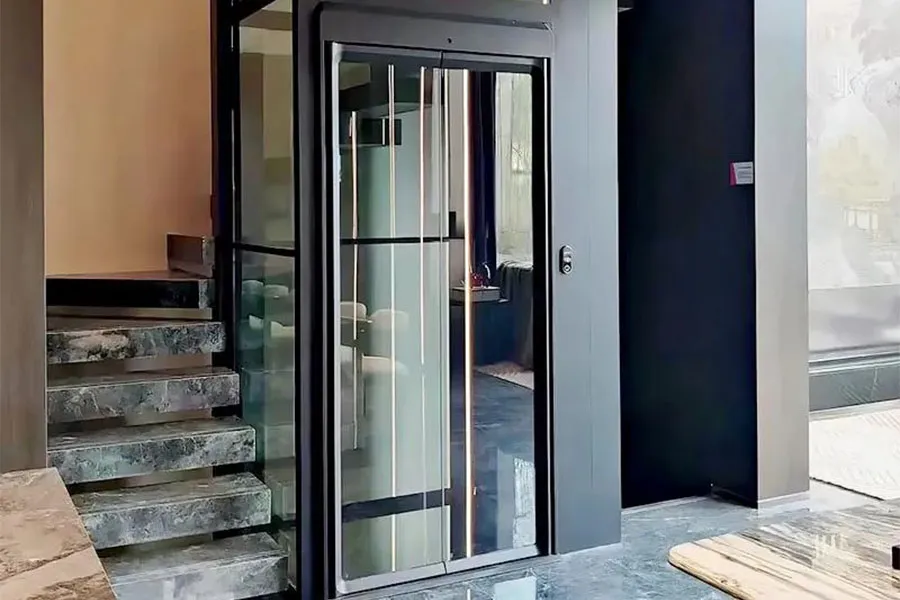
“Safety isn’t optional—it’s engineered.” At WEMET, we design each home elevator so the elevator is safe by design and easy to live with every day. The home elevator is also a design upgrade that blends into modern interiors.
When you evaluate different types of home lifts, start with space, load, and finish. Each type of elevator offers trade-offs:
WEMET builds multiple elevator models available to match layouts and finishes. We also provide platform lifts and wheelchair lifts for entrances and short rises as an affordable alternative to a stair (and an alternative to a stair lift when only a few steps are involved).
The best home elevator is the one that matches your space and daily routines. For home accessibility, we ask: rider size (or chair), travel distance, preferred doors, and controls. If stairs are hard, a stair lift helps, but a home elevator is the long-term solution.
For tight footprints and simple routes, through-floor options shine. When you want luxury wood panels, tall doors, or a large cab, traditional home elevators or traction models are ideal. And yes—a home elevator is also a design statement that welcomes guests and supports aging in place.
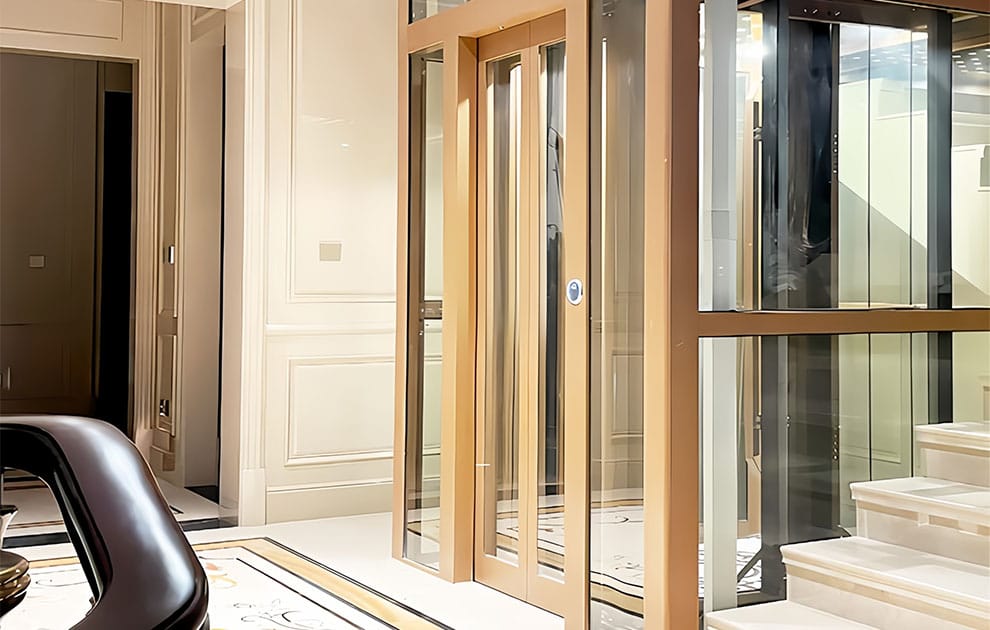
The dimensions of a residential elevator vary by model. We share cut sheets so builders can frame precisely. Inside the elevator car, you can choose lighting, railings, mirrors, and flooring. We also build custom elevators that match cabinetry.
Routing matters, too: straight-through, side-enter, or front-return. We align door swings, stops, and call stations. When the new elevator lands, the trim and floors meet cleanly so everything feels built-in.
A client asked us to add a residential lift into a traditional home without spoiling vintage woodwork. We proposed a compact through-floor route from the hall to the bedroom. The result added value to your home while keeping period details intact.
“I wanted to stay in the home I love. The WEMET team measured, cut, and finished in days. It looks like it was always there.”

Next step: Tell us your floors, room sizes, and finish level. We’ll send a clear scope, schedule, and written quote so the elevator to your home is simple to buy and own.
How much does a home elevator really cost?
Your scope drives cost. Materials, openings, and options change totals; the home elevator cost plus finishes varies by model and location. Ask for a written scope and timeline so pricing is clear.
Can I put an elevator in my existing home?
Yes. With smart routing and a compact model, elevators can be installed with minimal disruption in an existing home. We’ll survey, plan, and protect finishes along the way.
Which model is safest for kids and pets?
All models we install meet strict elevator safety rules. Interlocks and sensors ensure the elevator is safe in normal use, and we teach you simple checks.
Do I need a pit or an elevator shaft?
Not always. Through-floor and tube models skip the elevator shaft. A shafted model fits larger cabs and luxury finishes.
Is there an alternative to a stair lift?
Yes—a home elevator is an affordable alternative to a stair when you need room for riders or groceries. It’s more flexible than a single stair lift.
What sizes are typical?
A typical home elevator has a compact cab to fit tighter spaces; we’ll share cut sheets with the dimensions of a residential elevator once we define your route.
I’m Laura, the author of this article and the CEO & Marketing Director of WEMET. With over 15 years of experience in the intelligent lifting industry, I’m dedicated to helping clients find the right access solutions for their needs. If you have any questions, feel free to contact me at any time.

 AWP
AWP
 Industrial Lift
 Home Elevator
 Intelligent Storage