Do you worry about reaching awkward heights safely? That nagging fear can intensify when you lack the proper aerial lift. Fortunately, there’s a straightforward solution: using the correct equipment rental designed for elevated tasks. With the right approach, you can overcome these height challenges swiftly and securely.
An aerial lift rental refers to hiring specialized equipment like scissor lift machines or boom lift platforms that elevate workers for tasks at height. Lift rentals are vital for construction, maintenance, warehousing, and more. They provide cost-effective access without needing a permanent purchase. From towable lifts to telescopic options, you can pick the type of aerial lift that suits your job demands.
An aerial lift is a mobile elevated work platform designed to elevate workers and materials to specific heights. Aerial lifts are often used for maintenance, painting, construction, and other tasks where you need to lift people or tools to elevated areas. Unlike scaffold, they are powered, offering better maneuverability and versatility.
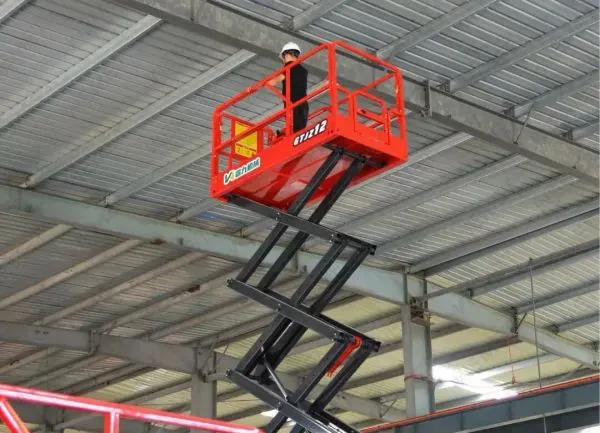
Aerial work typically involves overhead tasks such as installing signage, working near power lines, or performing repairs on multi-story buildings. Operators find that an aerial lift can move smoothly in tight spaces, and the modern designs accommodate various project scales. Whether you need a scissor lift or boom lift, picking the right equipment can drastically improve safety and productivity.
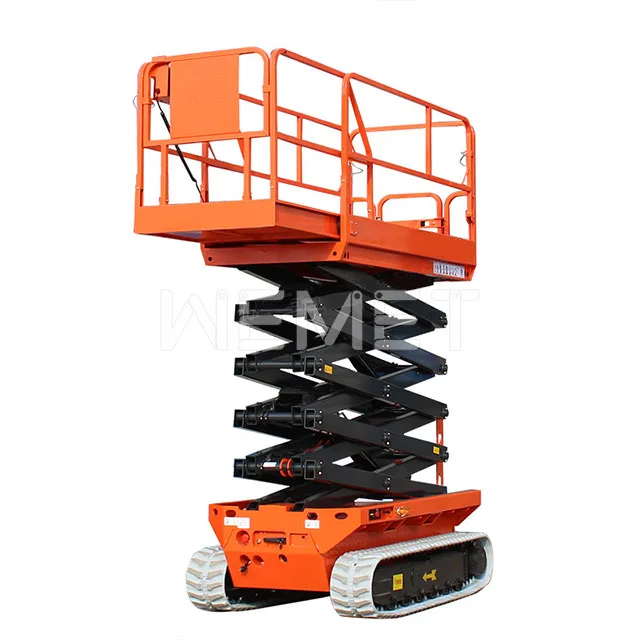
Crawler scissor lift design allows flexible operation in complex terrain such as uneven terrain and areas that are difficult to access with traditional machinery. 360° steering, electronic drive system, easy to operate, high efficiency, environmental protection, energy saving.
If you’re wondering how to choose the right aerial lift, start by reviewing your worksite conditions. Do you need high vertical reach, or do you value side outreach? Will you be navigating uneven terrain or primarily working indoors?
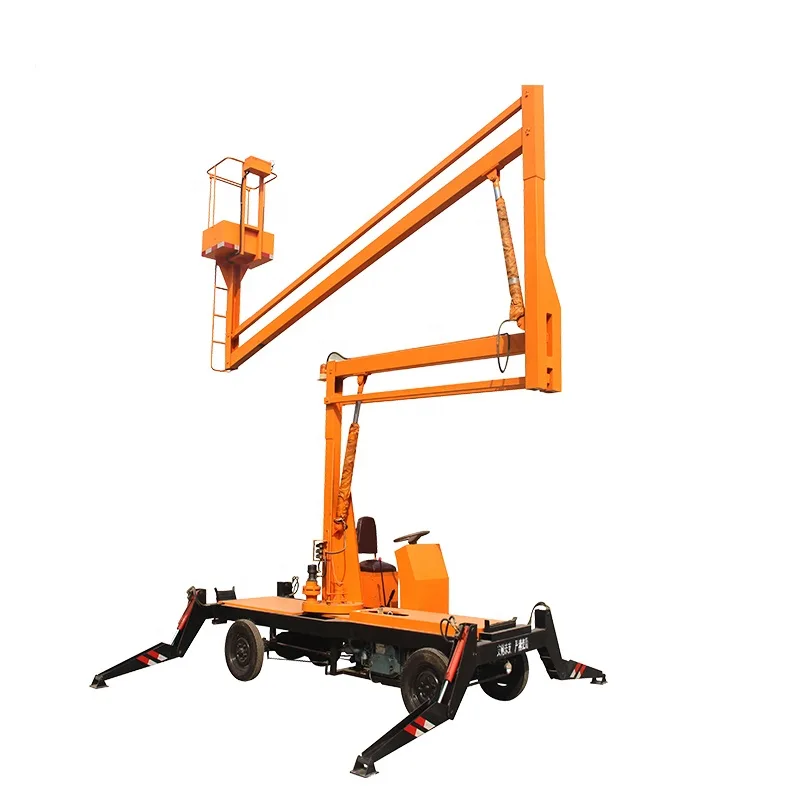
When determining the type of aerial lift, reflect on your specific tasks. For instance, an atrium lift might be perfect for interior maintenance with constrained doorways. Meanwhile, a rough terrain scissor lift can handle outdoor construction sites.
Choosing between a scissor lift or a boom lift can be straightforward once you understand each structure:

Understanding these differences allows you to pick the type of lift that is right for your job. Some professionals also explore used aerial machines to reduce costs, but they still require routine inspections for lift safety.
Even if you only use the aerial lift for a short rental duration, ensure you run daily checks: fluid levels, battery or fuel status, structural integrity, and the condition of guardrails.
Also, follow recommended intervals for hydraulic or mechanical checks. Any abnormal sound or jarring movement requires immediate inspection. Prioritizing maintenance fosters trust in site operations and helps you remain incident-free.
How do I determine which type of aerial lift is best for my project needs?
First, analyze your job site environment and tasks. Consider ceiling height, obstacles, and whether you need a boom lift or scissor lift. Also verify load capacity and whether you will primarily move vertically or around corners and overhead barriers.
Is renting an aerial lift more economical than buying?
Yes, if you have short-term or infrequent needs. Rental avoids the steep initial cost and ongoing maintenance expenses. You can also upgrade to newer machines as your demands change.
What safety precautions should I follow?
Always undergo proper training and ensure operators have lift certification. Wear a full-body harness and comply with osha standards. Inspect the machine before each use, and never exceed the recommended load capacity or working angle.
Are there specialized lifts for indoor use in tight spaces?
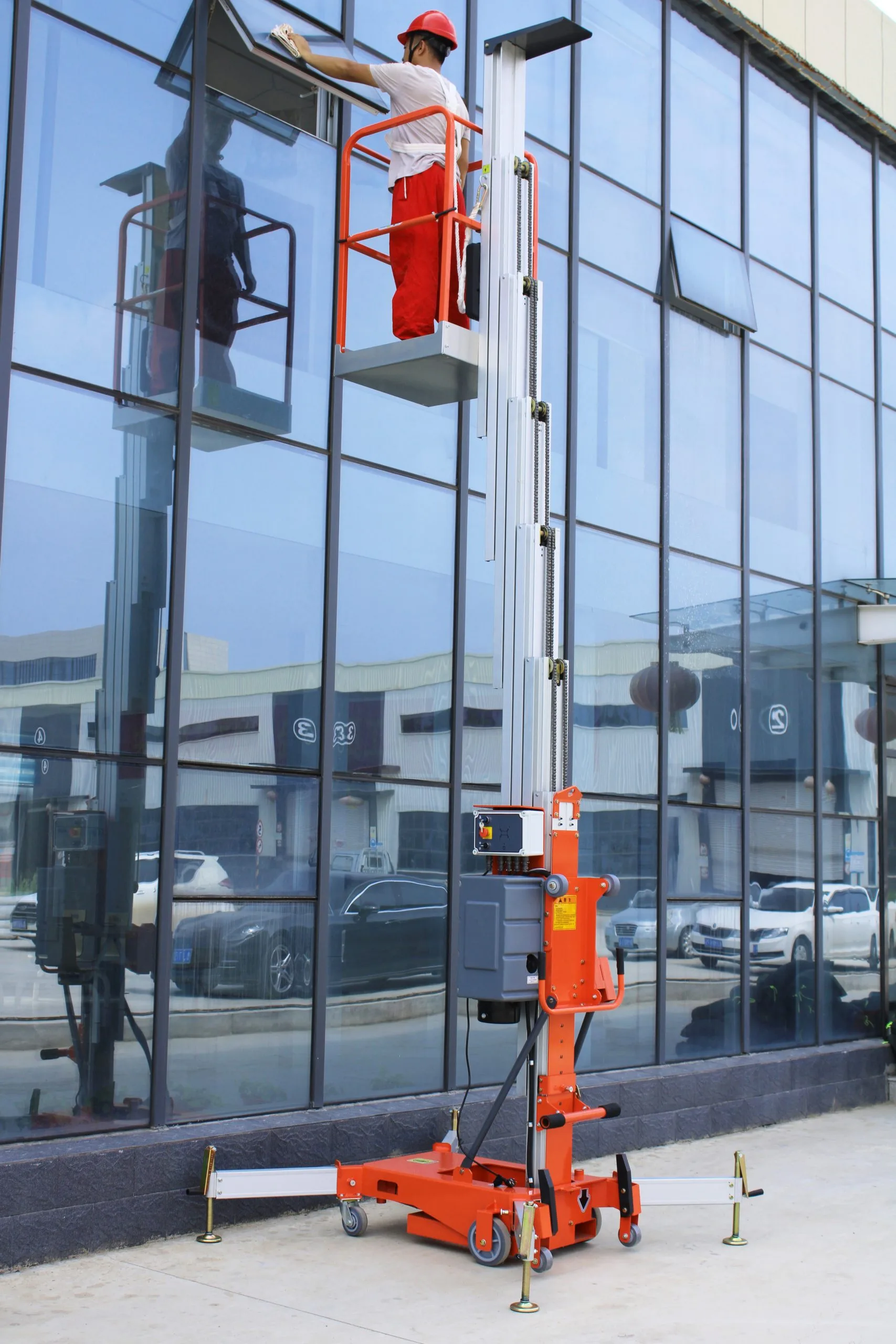
Absolutely. Vertical mast lifts, smaller scissor lift models, and certain articulating boom lift designs can handle tight spaces. If your work is primarily inside, you may need electric-powered lifts with minimal noise.
Why does WEMET Lift Machinery Co. stand out in the market?
We combine advanced R&D, design, manufacturing, and global service. With over 9,000 units delivered globally, we have deep experience working with diverse industries. Whether you want a scissor lift, a boom lift, or a cargo elevator, we focus on long-term durability and reliable after-sales support.
What is the difference between an articulating boom lift and a telescopic boom lift?
An articulating boom lift has segmented arms that bend around obstacles. Meanwhile, a telescopic boom lift extends straight out, offering higher reach and simpler operation when obstacles are minimal. Both are part of the wide range of aerial lifts available.
I’m Laura, the author of this article and the CEO & Marketing Director of WEMET. With over 15 years of experience in the intelligent lifting industry, I’m dedicated to helping clients find the right access solutions for their needs. If you have any questions, feel free to contact me at any time.

 AWP
AWP
 Industrial Lift
 Home Elevator
 Intelligent Storage