The key point is that a pit-mounted fixed scissor lift provides a seamless, space-saving architectural solution for high-capacity vertical lifting. By embedding the lift structure directly into a concrete foundation, facilities maintain a 100% unobstructed floor surface when the lift is idle. Engineers consistently recommend this configuration for heavy manufacturing and high-traffic distribution centers.
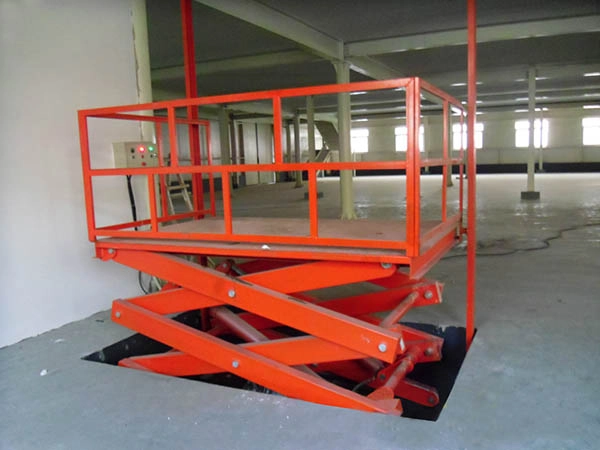
Fixed Scissor Lifts
The main benefit of a pit installation is operational fluidness. Because the top platform sits exactly parallel to your workshop floor, workers can load heavy items using manual pallet jacks, hand trucks, or automated guided vehicles (AGVs) without navigating restrictive inclines.
Fixed hydraulic lifts are rarely “one-size-fits-all” products. Leading manufacturers offer specialized custom blueprints to match specific environmental and operational constraints.
| Operational Scenario | Tailored Engineering Solution | Core Component Upgraded |
| Hazardous Environments | Explosion-Proof System Integration | EX-rated Motor, Pump & Sealed Control Box |
| Outdoor / Wet Exposure | Anti-Corrosion & Waterproof Protection | Hot-Dip Galvanized Coating & IP65/IP67 Hydraulics |
| Precision Workflow Automation | Digital PLC Integration & Smart Controls | Automatic Leveling Sensors & Sync Modules |
| Specialized Material Handling | Customized Platform Top Configuration | Ball-Transfer Rollers, Turntables, or V-Grooves |
Furthermore, for multi-level operations, units can be outfitted with advanced enclosures and guarding, such as perimeter mesh curtains, protective bellows (skirts), or interlocked safety gates.
Building a proper foundation is vital; over 80% of premature lift wear stems from poorly aligned concrete pits. The structural engineering checklist involves four sequential requirements:
To ensure your equipment meets regulatory criteria and workflow demands, provide your manufacturer with the following three metrics:
Net Lift Height (Stroke): The exact distance from the bottom of the pit to the highest floor levels.
Nature of the Load: Is the weight evenly distributed, or will it be concentrated on one edge (e.g., a forklift driving over the side)?
Cycle Frequency: How many times per hour or shift will the lift go up and down? High-frequency settings require heavy-duty motors and oil coolers.
Yes. Outdoor installations require specific modifications, including IP65-rated or higher electrical enclosures, waterproof motor covers, and an anti-corrosive finish like hot-dip galvanization or specialized marine epoxy paint.
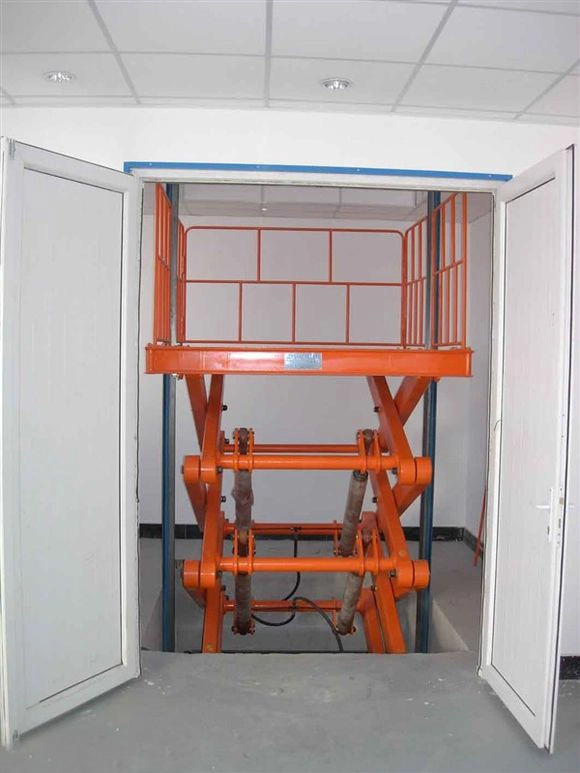
Fixed Scissor Lift
Most industrial applications require a three-phase power source (380V, 415V, or 460V) to ensure smooth, efficient hydraulic pump operation. However, smaller, light-duty platforms can be custom-engineered to run on single-phase 220Velectrical lines.
I’m Laura, the author of this article and the CEO & Marketing Director of WEMET. With over 15 years of experience in the intelligent lifting industry, I’m dedicated to helping clients find the right access solutions for their needs. If you have any questions, feel free to contact me at any time.

 AWP
 Industrial Lift
 Home Elevator
 Intelligent Storage