Does climbing stairs put your safety or independence at stake? Frustrated by mobility issues or the challenge of modifying your beloved home? It’s time to discover how a modern home elevator or lift can transform your comfort, safety, and quality of life—forever.
A home elevator is a vertical lift system installed in your residence, providing safe, convenient, and reliable floor-to-floor access for all ages and abilities. Today’s residential elevators come in numerous models and drive systems, designed for easy installation, wheelchair accessibility, superior comfort, and lasting value.

What is a Home Elevator and How Does It Work?
A home elevator is a vertical lift designed exclusively for residential use, providing effortless access between floors. Equipped with safety features, customizable elevator cabs, and quiet drive systems, home elevators cater to convenience, accessibility, and style—fitting into almost any type of home with minimal construction work.
These elevators are often designed for safety and can be wheelchair-accessible, making them an ideal, future-proof solution for staying in the home you love. The elevator system varies by model, some requiring a shaft or machine room, while modern models like shaft-less or pneumatic vacuum elevators require less space and construction.
Types of Home Elevators: Comparing Your Options
When selecting a home elevator, you’ll find several types, each offering distinct advantages. Here’s a breakdown:
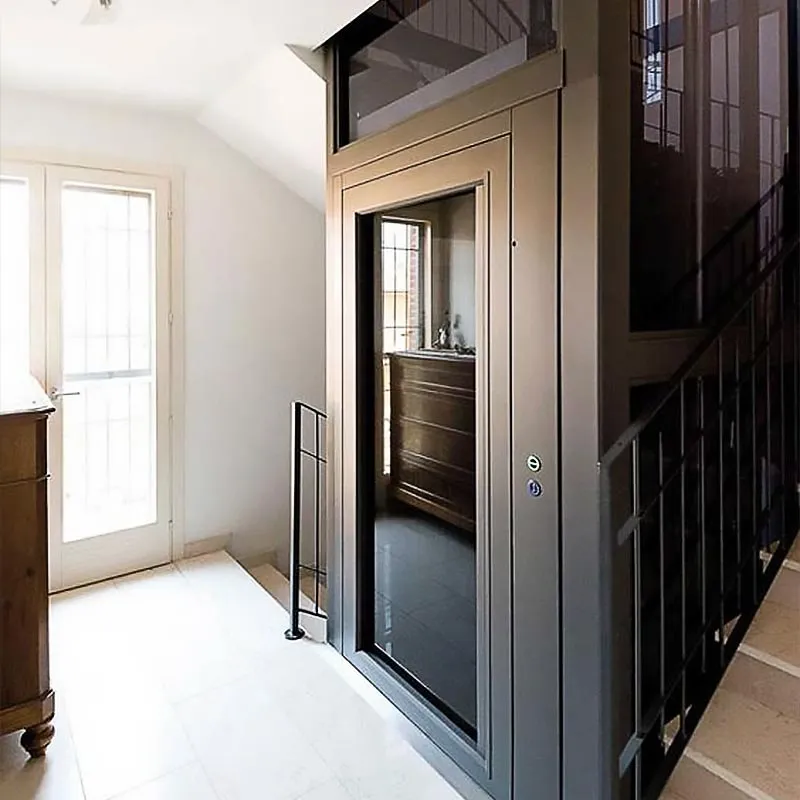
1. Traditional Hydraulic Home Elevators
2. Traction & Machine Room-Less (MRL) Lifts
3. Shaft-less Elevators & Platform Lifts
4. Loft Home Lift
5. Backpack Home Lift
6. Vertical Barrier-Free Lift Platform

Comparing the choices? Read about more home elevator models here.
Residential elevator cost varies depending on the type of elevator, installation needs, customization, and number of floors. Here are the main factors that affect the price:
Pro Tip: Elevator expenses are not just about the initial investment—consider value to your home, safety, and long-term savings on accessibility upgrades.
Want a deeper breakdown? See home elevator cost details here.
Yes! Today’s market offers affordable home elevators designed to fit many budgets without sacrificing safety or style. Compact shaft-less models, platform lifts, and entry-level pneumatic elevators let homeowners add an elevator to their home for a surprisingly reasonable expense.
Best tips for budget savvy buyers:

Explore affordable home elevators for tight spaces.
Installing a home elevator typically follows these steps:
Modern home lifts are engineered for fast, minimally disruptive installation—some models can be up and running in just a few days!
Lifts and home elevators are designed to help ensure safety, reliability, and accessibility—especially when sourced from a reputable elevator company and manufactured to CE, ISO, and other global standards. Built-in sensors, emergency lowering, child locks, battery backup, and safety code compliance are standard in most models.
Key Features of Safe Residential Elevators:
Lifts are safe and reliable when properly installed and maintained.
Elevators are for more than just luxury homes—residential elevators are designed for anyone needing easier, safer access in a multi-level house.
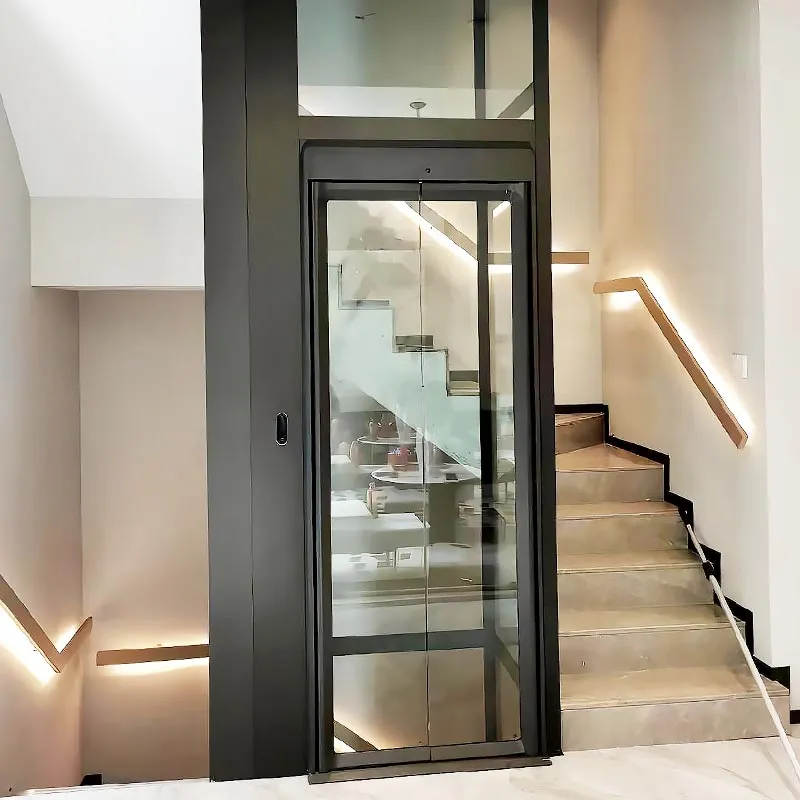
A home elevator can make life simpler for all, future-proofing your house and increasing property value.
Want elegance and engineering? Glass home elevators and small footprint lifts combine modern style with space-saving benefits. Vacuum elevators and Trio Alta home elevator models enhance light, offer panoramic views, and fit almost anywhere in the home—even in the center of a spiral staircase!
Why homeowners love glass and compact lifts:
See more small home elevator designs for glass homes.
Regular maintenance is key to elevator reliability and long-term durability in industrial environments. A good elevator company offers scheduled checkups, spare parts availability, and responsive technical support.
Checklist: Keeping Your Elevator Safe
Many lifts are also designed for ease of operation and low maintenance, minimizing elevator expenses for homeowners.
Are home elevators only for luxury homes?
No. While popular in luxury spaces, home elevators and lifts are now more affordable and accessible than ever, perfect for aging in place, wheelchair access, and adding value to any type of home.
What kind of drive system is best for a residential elevator?
It varies: hydraulic offers smoothness and high capacity, traction is energy-efficient and needs minimal space, and pneumatic vacuum elevators provide a compact, stylish, and quiet ride.
Can a lift fit in an existing home without major remodeling?
Yes, many models like shaft-less and vacuum elevator systems require minimal or no shaft, making them easy to add to existing homes, including small spaces and two-story homes.
How much does a home elevator cost, and do elevators cost less if installed during construction?
The cost starts around $15,000 for basic models and rises with customization. Installing during new construction can lower elevator expenses due to simpler planning and fewer modifications.
Are lifts wheelchair-accessible?
Most models can accommodate wheelchairs, with elevator cabs and doors sized appropriately. Ask your elevator company for details on wheelchair lift and platform lift options.
Find out about elevators for home accessibility here.
Considering a home elevator?
Discover your options for residential elevators, compare affordable home elevators, or explore home elevator systems. Take the first step towards lifting your lifestyle—contact us for a tailored solution anywhere in the world.
I’m Laura, the author of this article and the CEO & Marketing Director of WEMET. With over 15 years of experience in the intelligent lifting industry, I’m dedicated to helping clients find the right access solutions for their needs. If you have any questions, feel free to contact me at any time.

 AWP
AWP
 Industrial Lift
 Home Elevator
 Intelligent Storage